Hair Loss Peptides Thailand | PTD-DBM & GHK-Cu
Shampoos and topicals not working? PTD-DBM and GHK-Cu work at the follicle level to stimulate regrowth. Prescribed by a Thai doctor, delivered nationwide.
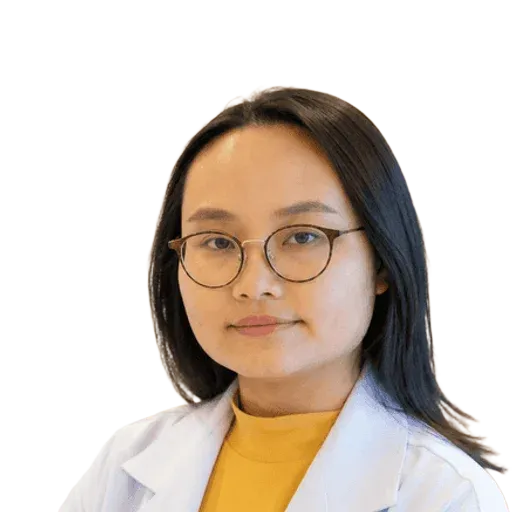
Medical Lead, Peptides Thailand · Licensed by the Medical Council of Thailand · Board Certified in Family Medicine
Reviewed 31 May 2026
Quick Summary
- This page covers: Shampoos and topicals not working? PTD-DBM and GHK-Cu work at the follicle level to stimulate regrowth. Prescribed by a Thai doctor, delivered nationwide.
- Who it is for: Patients in Thailand considering peptide therapy for this condition under physician supervision.
- Next step: Book a free consultation with a licensed Thai physician to discuss a personalised protocol.
Hair loss is one of the most psychologically impactful conditions patients bring to our clinic, and one where conventional treatments frequently disappoint. Minoxidil causes shedding and requires lifelong use. Finasteride carries sexual side effects that many men find unacceptable. Hair transplants are expensive, surgical, and do not address ongoing follicle miniaturisation.
Peptide therapy for hair loss works differently. Rather than manipulating systemic hormones or forcing superficial blood flow changes, specific peptides have been studied for their ability to act directly at the hair follicle, stimulating the Wnt/beta-catenin pathway, reducing scalp inflammation, and creating an environment where follicle regeneration is possible. At Peptides Thailand, our physicians assess hair loss type, severity, and history before designing a targeted protocol.
Understanding Hair Loss
Most hair loss, particularly in men, is androgenetic alopecia (AGA), driven by DHT binding to androgen receptors in susceptible follicles, triggering miniaturisation. In women, the pattern and causes are more complex, often involving hormonal shifts, thyroid dysfunction, iron deficiency, or chronic inflammation.
Regardless of cause, the final common pathway is follicle miniaturisation and eventual dormancy. Effective treatment must either interrupt the miniaturisation process, restore signalling that reactivates dormant follicles, or both. Peptides studied for hair loss generally target one or both of these mechanisms.
Key Peptides for Hair Loss
PTD-DBM
PTD-DBM is the peptide with the most direct evidence specifically for hair follicle regeneration. It works by activating the Wnt/beta-catenin signalling pathway, the same pathway responsible for embryonic hair follicle development and the transition of dormant follicles back into the growth phase.
Why it is studied for hair loss:
- Activates Wnt/beta-catenin signalling, which drives follicle stem cell proliferation
- Preclinical studies show hair regrowth comparable to or exceeding minoxidil in animal models
- Acts at the molecular level to convert dormant follicles rather than simply increasing blood flow
- Does not carry the systemic hormonal side effects associated with finasteride
- Applied topically, making systemic exposure minimal
PTD-DBM is considered the most promising emerging peptide specifically for androgenetic alopecia, and is the primary peptide our physicians recommend for patients who have not responded adequately to conventional treatments.
GHK-Cu (Copper Peptide)
GHK-Cu is a naturally occurring copper-binding peptide with extensive research supporting tissue regeneration, wound healing, and hair follicle support. It is one of the most studied peptides for scalp health.
Why it is studied for hair loss:
- Stimulates hair follicle size and activity in clinical studies
- Research shows it can reverse miniaturisation in follicles
- Promotes synthesis of proteins essential for follicle structure including laminin-511
- Demonstrated anti-inflammatory effects that address scalp inflammation, a key driver of follicle damage
- Studies have shown results comparable to minoxidil 5% in some patient populations
- Also supports collagen and elastin production, improving overall scalp health
Available in standard formulation as well as enhanced GHK-Cu Zinc and GHK-Cu Trio combinations for patients requiring a more comprehensive approach.
KPV
KPV is a tripeptide derived from alpha-MSH with potent anti-inflammatory properties relevant to hair loss driven by scalp inflammation. Conditions like alopecia areata involve an autoimmune attack on follicles that creates sustained inflammation, and KPV may help address this component.
Why it is studied for hair loss:
- Reduces pro-inflammatory cytokines that damage follicles in inflammatory alopecia
- Anti-inflammatory action at the scalp level without systemic immunosuppression
- May create a more favourable follicle environment when combined with growth-stimulating peptides
- Studied for inflammatory bowel and skin conditions with similar cytokine profiles
Types of Hair Loss Addressed
Androgenetic Alopecia (Male Pattern Baldness)
The most common form of hair loss in men. PTD-DBM directly targets the Wnt pathway dysfunction at the root of follicle miniaturisation. GHK-Cu addresses the miniaturisation itself and may reverse it in early-stage follicles.
Androgenetic Alopecia in Women (Female Pattern Hair Loss)
The same follicle mechanisms are relevant, though the pattern differs. Our physicians assess hormonal context carefully before designing protocols for female patients.
Alopecia Areata
This autoimmune condition, where the immune system attacks hair follicles, involves significant scalp inflammation. KPV’s anti-inflammatory properties are particularly relevant here, alongside broader immune-modulating strategies.
Diffuse Hair Thinning
Diffuse thinning, often linked to chronic stress, nutritional deficiency, thyroid issues, or post-illness shedding, may respond to GHK-Cu’s broad regenerative and anti-inflammatory effects.
Protocol Design and Comprehensive Approach
Our physicians design hair loss protocols based on a thorough assessment of hair loss type and progression, hormonal status, thyroid function, inflammatory markers, and nutritional factors. Peptide therapy is most effective when underlying contributors are identified and addressed.
Peptide protocols for hair loss are typically topical (applied directly to the scalp), reducing systemic exposure. Results require consistent use over several months, as hair follicle cycles are measured in weeks to months. Patience and photographic tracking are important parts of the protocol.
Related Categories
- Anti-Aging Peptides for GHK-Cu in the context of skin and tissue regeneration
- Healing Peptides for the tissue repair mechanisms shared with hair regrowth
Related Conditions
- Longevity for the connection between cellular aging and follicle health
- Injury Recovery for the shared tissue repair mechanisms
Frequently Asked Questions
Can peptides actually regrow hair, or just slow loss?
How does PTD-DBM compare to minoxidil?
How long before I see results?
Can women use hair loss peptides?
Are hair loss peptides available via video consultation?
Can hair loss peptides be combined with finasteride or minoxidil?
Access peptide therapy for this condition across Thailand
Our Chiang Mai clinic provides in-person consultations and serves as the headquarters for nationwide peptide therapy. Patients in Bangkok, Phuket, Pattaya, and Koh Samui access treatment through video consultations with clinical-grade peptides delivered directly to their door.
Primary Service Areas
All consultations include physician assessment. Peptides shipped from our licensed Chiang Mai facility to all provinces in Thailand.
Explore Peptide Therapy with a Licensed Physician
Our doctors provide video consultations throughout Thailand. All peptides are clinical-grade with Certificate of Analysis verification. Nationwide delivery.
Medical Disclaimer
This page is for educational purposes and should not be considered medical advice. All therapies are provided only after consultation and prescription by our licensed physicians. Results vary. Some peptides discussed here are not approved medicines in all countries and are provided only under physician supervision where permitted.